
BlogBlog
Read Caribbean- 6 books; 6 countries
First published 30 Apr 2026 on Wandering Through Wisdom by Amanie Mathurin on Substack. Republished with permission.
Apr 30, 2026 · 6 min read
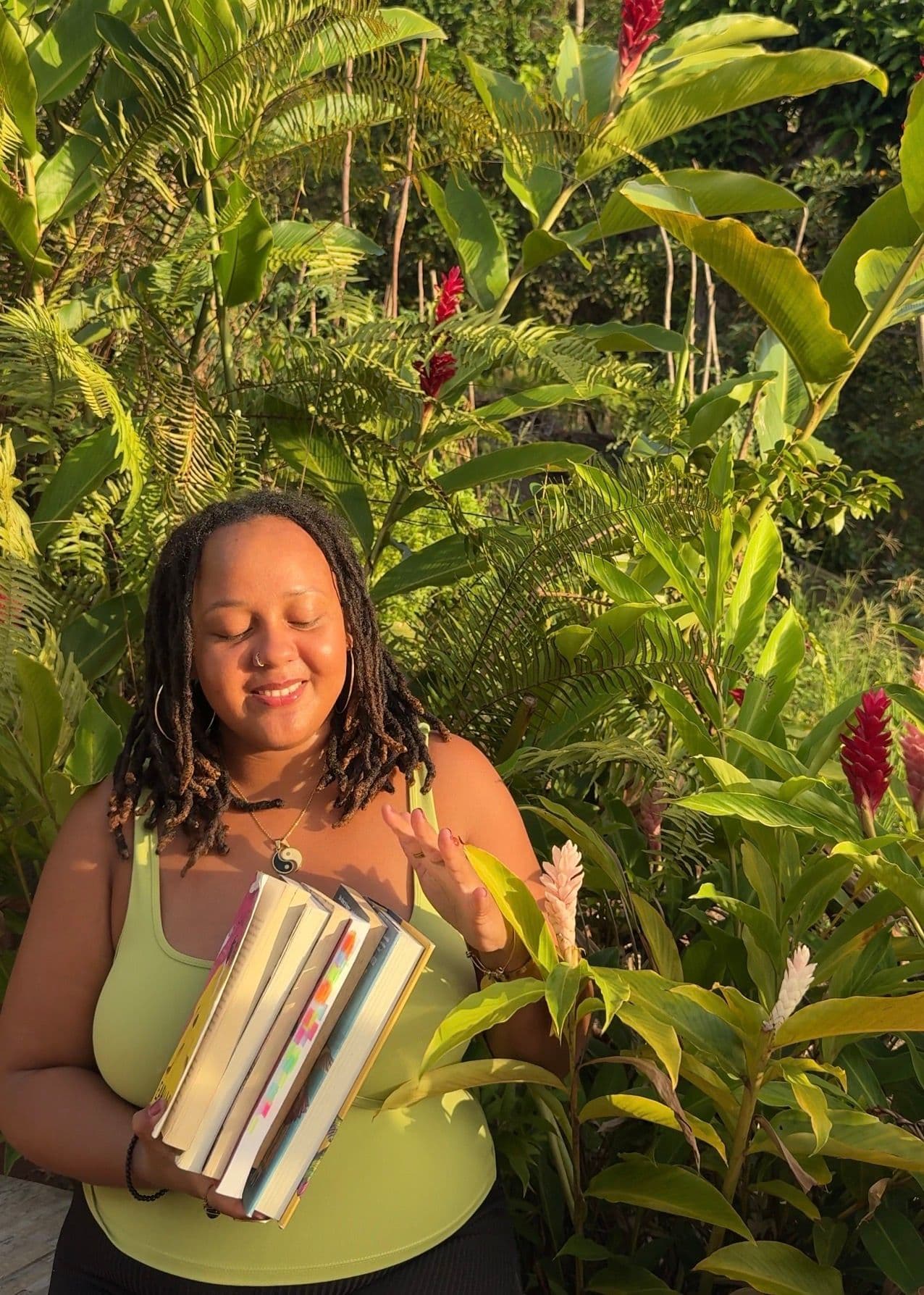
The Caribbean is one of the most spectacular regions in the world. From exquisite culinary experiences to breathtaking natural beauty and deep-rooted cultural traditions, we are blessed beyond measure.
The Caribbean is one of the most spectacular regions in the world. From exquisite culinary experiences to breathtaking natural beauty and deep-rooted cultural traditions, we are blessed beyond measure.
But beyond the sun, sea, and sand… underneath the colours of carnival and the rhythms of reggae, there is a history of resilience. From natural disasters to broken justice systems and structural inequalities, our region continues to confront political, social, and historical realities that shape our lived experience. It is critical that we understand these issues, and I’ve found that fiction can be particularly useful, offering important insights while encouraging empathy and understanding.
Here are my recommendations for six Caribbean novels that take you beyond the usual ‘island paradise’ narrative and into the very real challenges we have been forced to overcome.
The Dragon Can’t Dance- Earl Lovelace, 1979 (Trinidad 🇹🇹)

'The Dragon Can't Dance' is a brilliantly written story about the resilience of people living in poverty, and the important role that cultural traditions like carnival play in allowing them to affirm themselves. Set in a poor urban neighborhood in Trinidad, it boldly and artistically exposes issues surrounding class, race, gender, violence, migration, and identity. The novel was published in 1979, and it gives important insight into the racial divisions, unemployment struggles, and political movements of that period.
Earl Lovelace is a masterful storyteller. I found myself completely swept away by his cast of strikingly real characters and how their lives intertwine in the most delicate ways. I sympathized with them. I shared their feelings of alienation and longing...
I laughed, prayed, and hoped with them.
What Storm, What Thunder- Myriam J.A. Chancy, 2021 (Haiti 🇭🇹)

This novel paints a picture of the lives of several people living in Haiti before, during, and in the aftermath of the January 2010 earthquake. From the very young to the old, Chancy takes us into their lives, into the heart of their shattered dreams. We learn their fears, trauma, and longing.
But in the midst of the stories of death, destruction, and devastation, there are stories of courage, kindness, healing, tradition, rebuilding, learning to hope again. The author did an amazing job of bringing these stories to life with rich context. That context helps us better understand the true toll of the earthquake and why its impacts were felt so deeply.
There is also beautiful history wrapped into these stories- personal histories and that of the country itself. Every last character in this book was memorable. And as different as they were (a market woman, a businessman, a sex worker, an ambitious father, a criminal)... There was something familiar in each of them. Every single one of their stories touched something in me…
Augustown- Kei Miller, 2016 (Jamaica 🇯🇲)

Augustown is a story about how poverty and prejudice can shape a community- spatially, socially, and psychologically... stifling its inhabitants under the weight of patterns of inequities. Kei Miller possesses an intricate understanding of the human condition. He has a rich knowledge of language, history, psychology, geography, religion, culture... and it all comes together so perfectly in this book.
The book begins with an unsettling event- young Kaia has his dreadlocks callously cut off by a schoolteacher in an impoverished community near Jamaica’s capital. That single act leads to tragic consequences, and Miller deliberately and meticulously builds up to a shocking climax, creating a palpable suspense that leaves you frantically flipping through the pages. But while the novel maintains a steady pace, it leisurely and artfully sprawls into several interwoven stories which chart Augustown’s decades-long history of oppression. Miller uses these interconnected tales and characters to teach the reader about Jamaica... about colonialism, police brutality, crime, violence, the persecution of Rastafari... all while incorporating elements of folklore wrapped in the uniquely lyrical Jamaican patois.
The Restless- Gerty Dambury, 2018 (Guadeloupe 🇬🇵)

This book made me wish I knew French! The writing translates so beautifully and poetically into English; I can only imagine how impactful it must be in its original language!
Set in Guadeloupe in 1967, 'The Restless' tells of the personal and power struggles surrounding a very real workers’ strike and demonstration met with indiscriminate violence. Defined as one of the most important dates in the island's history, the demonstration represented a cry for equality in the face of simmering tensions shaped by class, race, and national identity. The book expertly weaves the personal and the political, focusing on both the political realities of the time and the intimate dreams and fears of families and individuals. (The central character, 9-year-old Émilienne, is particularly endearing!)
What was so brilliant and original about this retelling is that the story unfolds in the style of a quadrille- a traditional form of dance central to the culture of Guadeloupe and several Caribbean islands. The intensity and pace of the story match the various formations of the dance, which are guided by sudden changes in music.
There were two other aspects I found very intriguing and engaging! The first is the use of a cast of living and dead characters to narrate the story, bringing in their own experiences of injustices and reflecting the diversity of Guadeloupe's society. The second is how Kwéyòl is used heavily throughout the book, lending significant wit to both the characters and the story!
The Counting House- David Dabydeen, 1996 (Guyana 🇬🇾)

What an eye-opening book! It primarily tells the story of Indian indentureship in the former British colony of Guyana, and reveals a lot about the origins of the racial tensions that historically plagued the country.
Published in 1996, it is set between India and British Guiana at the end of the 19th century. When it begins, we meet Rohini and Vidia, a young, naive couple struggling to make ends meet in a rural Indian village shaped by an unforgiving caste system. As the book progresses, they are lured across the seas to Guyana by the promise of unimaginable wealth, only to be met with the harsh realities of indentured servitude. Violence, racism, sexual abuse, prejudice, suspicion, exploitation, superstition, desperation, fear- they all shape the day-to-day interactions between the formerly enslaved Afro- Guyanese population and the newly recruited Indo- Guyanese labourers.
While this book features some surprisingly humorous moments, many parts were uncomfortable to read because it was unsettling how vividly it captured the brutalities of colonial rule. Nevertheless, these narratives are important to our understanding of who we are and how we got here. It's of particular importance in the context of Guyana's cultural and political realities over the decades.
A Scream in the Shadows- Mac Donald Dixon, 2022 (Saint Lucia 🇱🇨)

Set in a close-knit rural Saint Lucian community, 'A Scream In The Shadows' opens with a story that is sadly all too familiar- the rape and murder of a young girl. Despite her death, Laurette remains a central character with a powerful, haunting presence throughout the novel. The book details the efforts of her brother Andy, who, years later, becomes a police man determined to discover the truth behind the tragedy. In his quest, he uncovers more and more concerning details of the case, which reflect issues that run deep. It is an expertly written exploration of several grim realities in Saint Lucia and many parts of the Caribbean- gender based violence, a fatally flawed justice system, and layered vulnerabilities.
There are many reasons to love this book. But one which is at the top of my mind is Angel- the protagonist's girlfriend. She was a beautiful representation of so many Saint Lucian women I know- clever, strong-willed, protective, fiercely loyal, kind. I found myself feeling so much love for her by the time I turned the last page!
Dixon's writing is a pleasure to read, especially because of his ability to bring rural Saint Lucia to life. The settings, characters, language it was all so familiar and real in the best of ways.
And so many more…
There are several other books I could add to this list! We have no shortage of beautifully written, insightful books from across the region, and you can find more Read Caribbean recommendations on my Bookstagram @LiterallyAmanie
Have you read any of these books? And if you haven’t, which one will you be reading first? Share your thoughts with me!
First published 30 Apr 2026 on Wandering Through Wisdom by Amanie Mathurin on Substack. Republished with permission.